Faribault Mill
Faribault, Minnesota, May 2026
I’ve been thinking a lot about craft and machines.
When we use the terms “craft” or “artisan,” we often specify things that are made “by hand.” In my travels, I’ve come to realize there’s a pretty wide spectrum, here. There are many degrees to which the human hand is - or is not - involved in making things that I consider to be artisan product. I wonder sometimes about the usefulness of that distinction.
I recently toured Faribault Mills in Minnesota - about an hour or so south of Minneapolis. They have been making wool blankets for over 160 years, and are one of the last truly vertical mills left in the United States. You can feel the profound history in this place as you walk through the door. Faribault started making blankets for pioneers heading west just after the Civil War. The company survived - and ultimately thrived - making blankets for US troops during both world wars and through to present day, as well as high-quality, innovative, long-lasting wool products for US consumers in general.
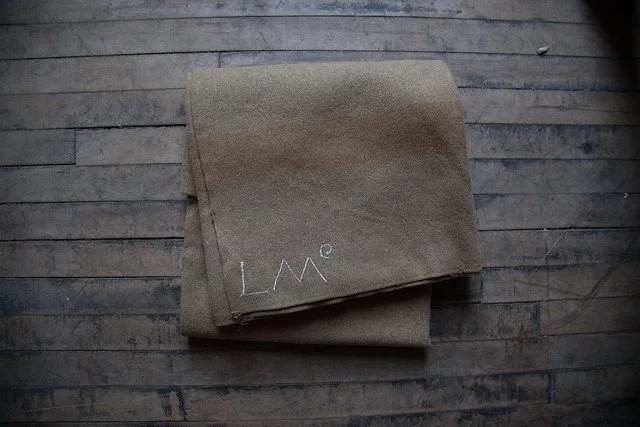
An original olive drab army blanket, hand-monogrammed, in the Faribault archives.
I’m a sucker for a mill tour, and this was not my first time touring Faribault. Each time, I’ve been struck by two things:
The mind-boggling machinery - much of it over a century old
The great care that is taken to make sure everything is done right
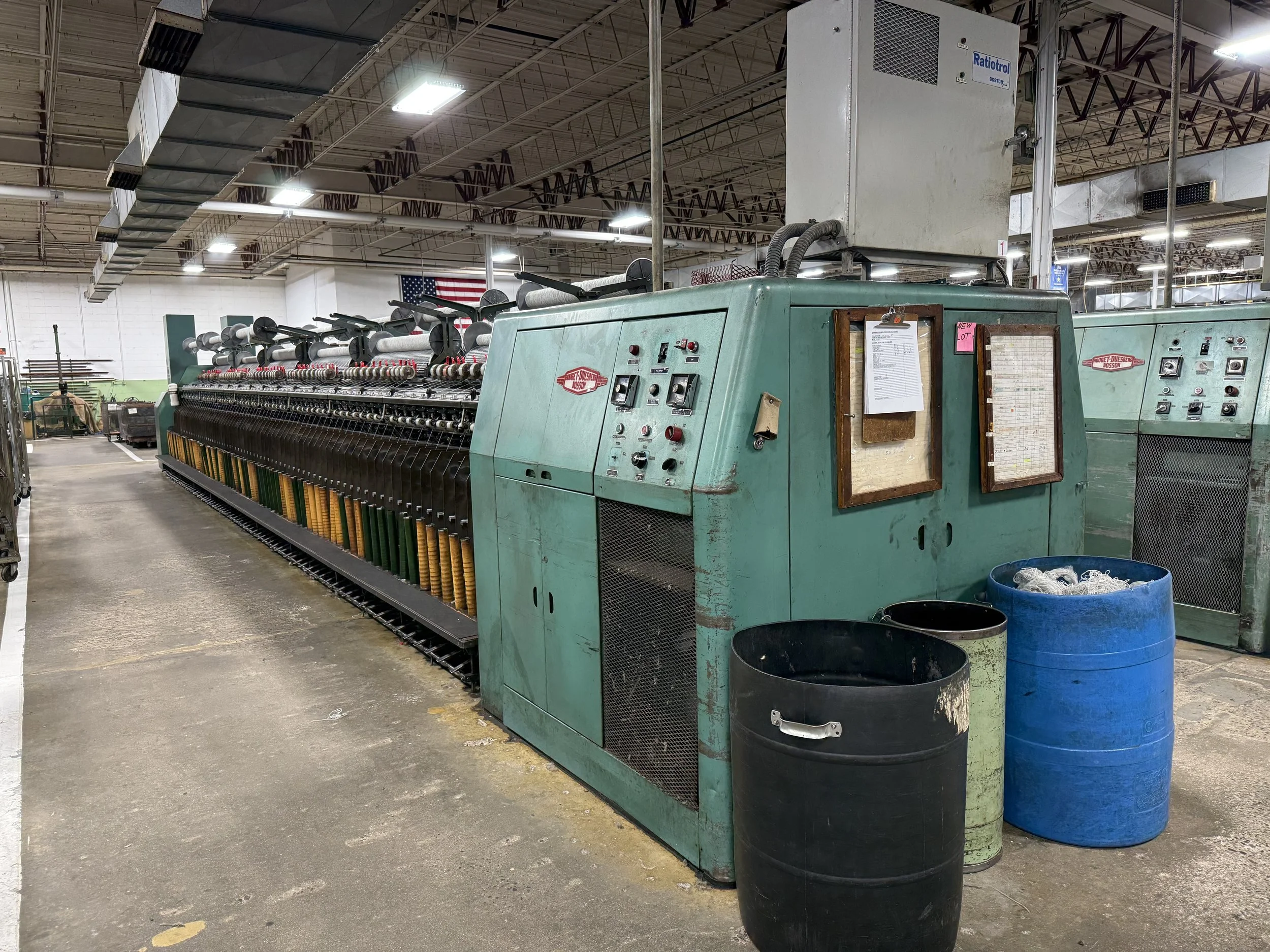
Faribault has had several of its massive machines in continuous operation for between 50 and 100 years. (For that matter, so has the Carloway Mill in Scotland, where they make Harris Tweed. You can read about that here.) I have an innate fondness for old machines. It’s probably a “fix-it” gene passed down from my maternal grandfather who worked as a brakeman on the railroad in Detroit. Granddad had this incredible basement workshop where he would disappear and emerge 5 minutes later with a part that would solve literally any mechanical problem you could bring to him. I think of him every time I visit one of these places, and I realize that a huge part of the craft of these blankets is in operating and maintaining the machinery. It’s as perilously close to becoming a “lost art” as some of the historical textile techniques I have chronicled in the past.
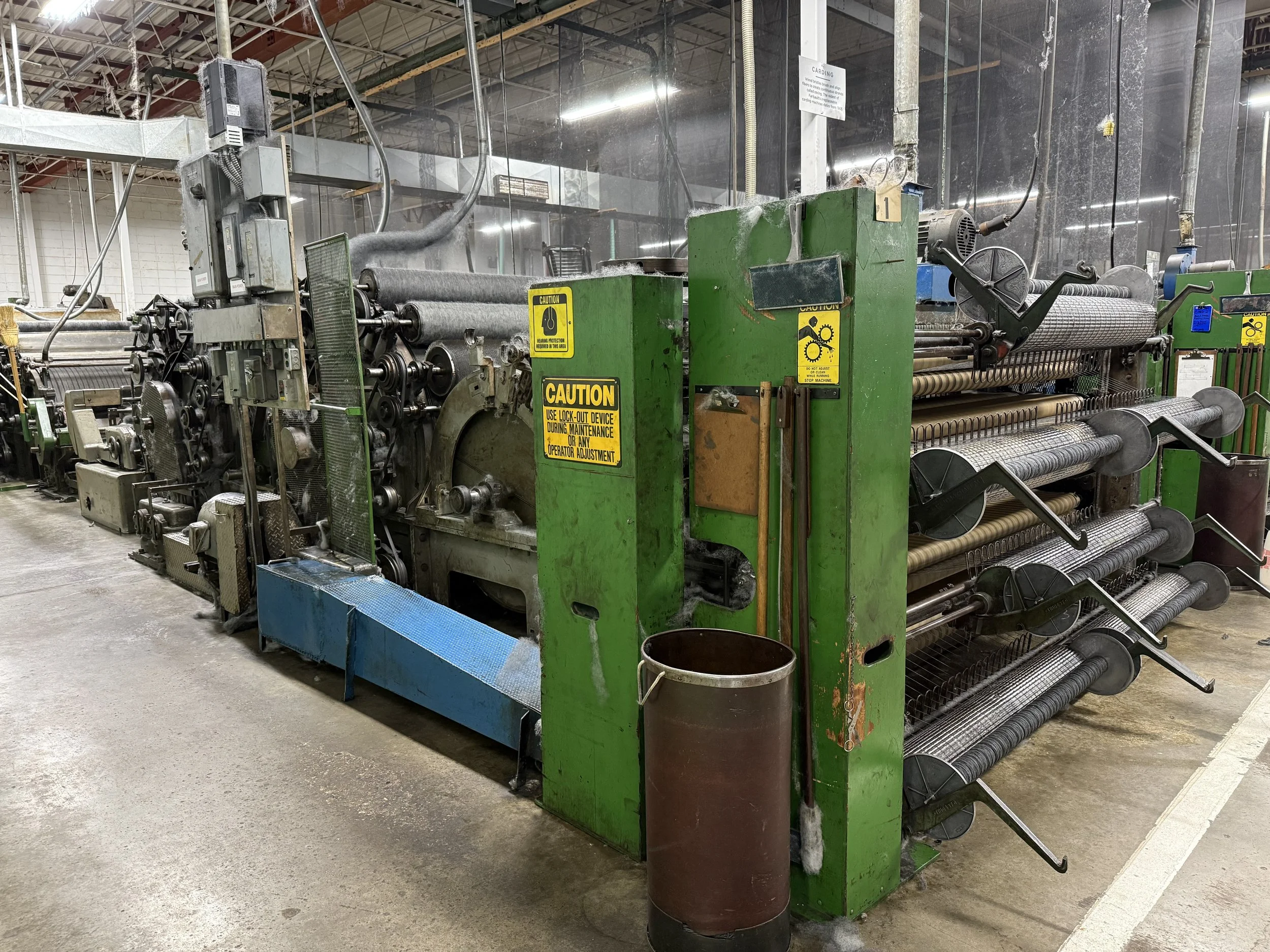
One of several enormous wool carding machines
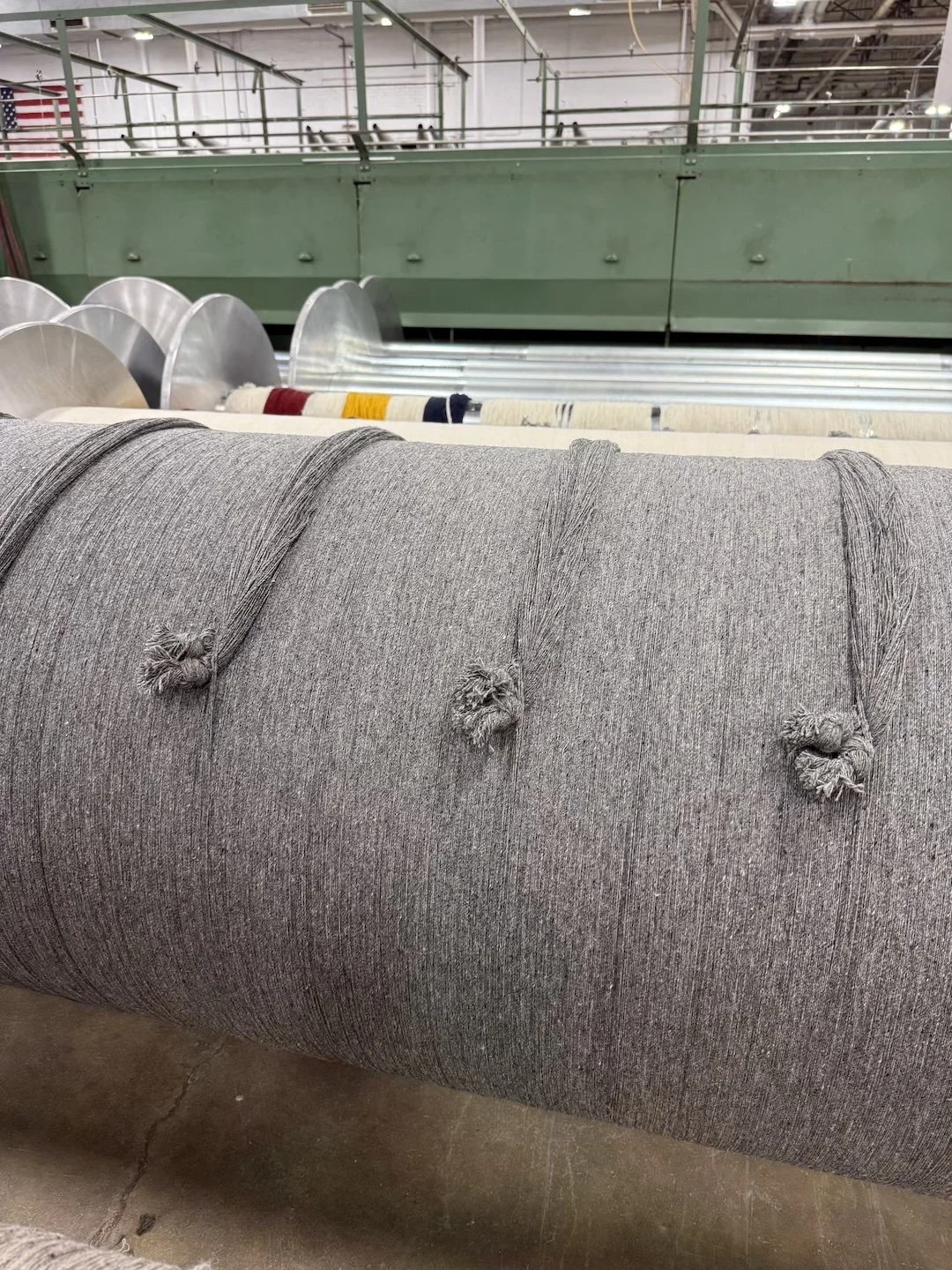
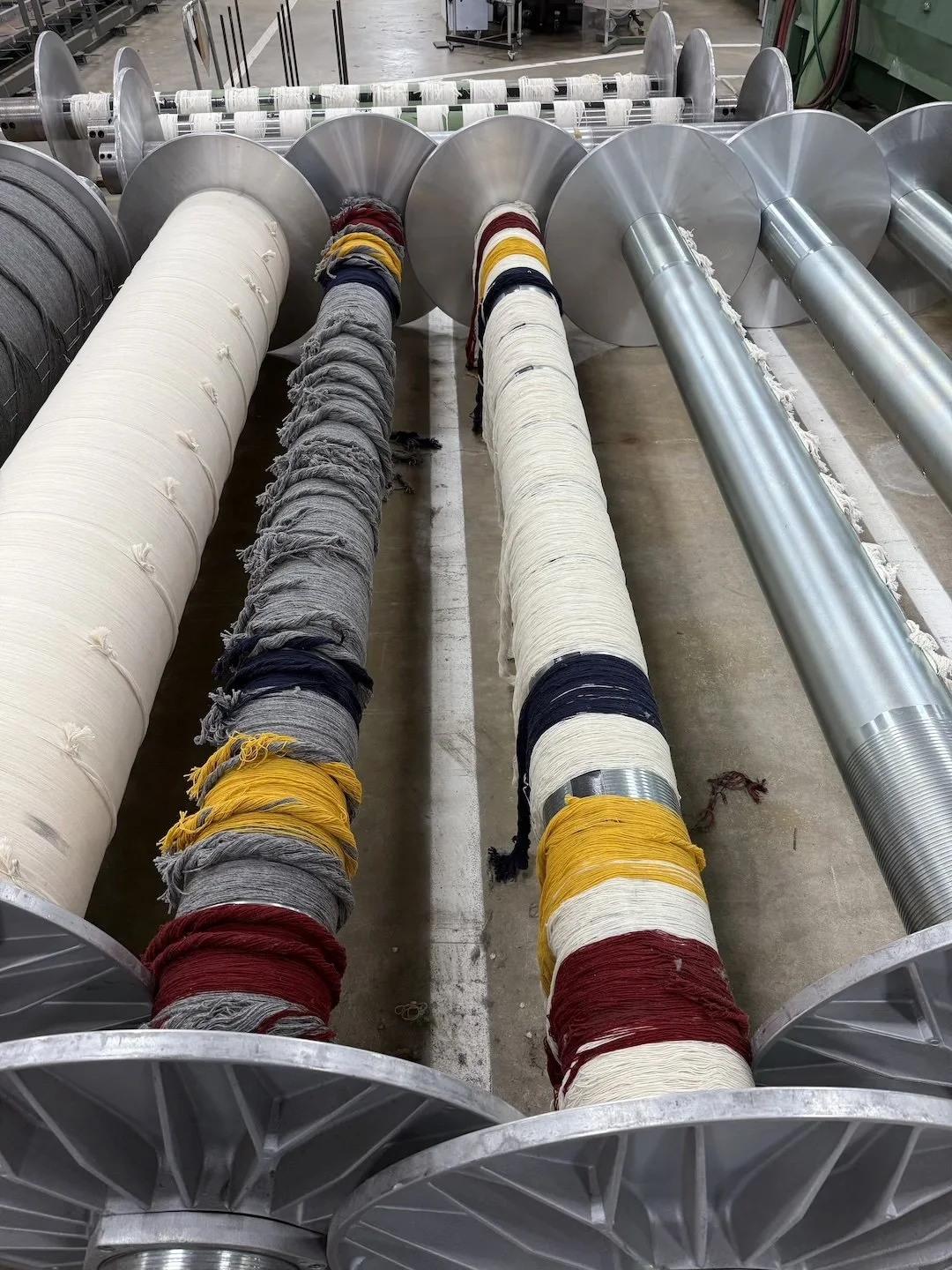
Spinning and warping:
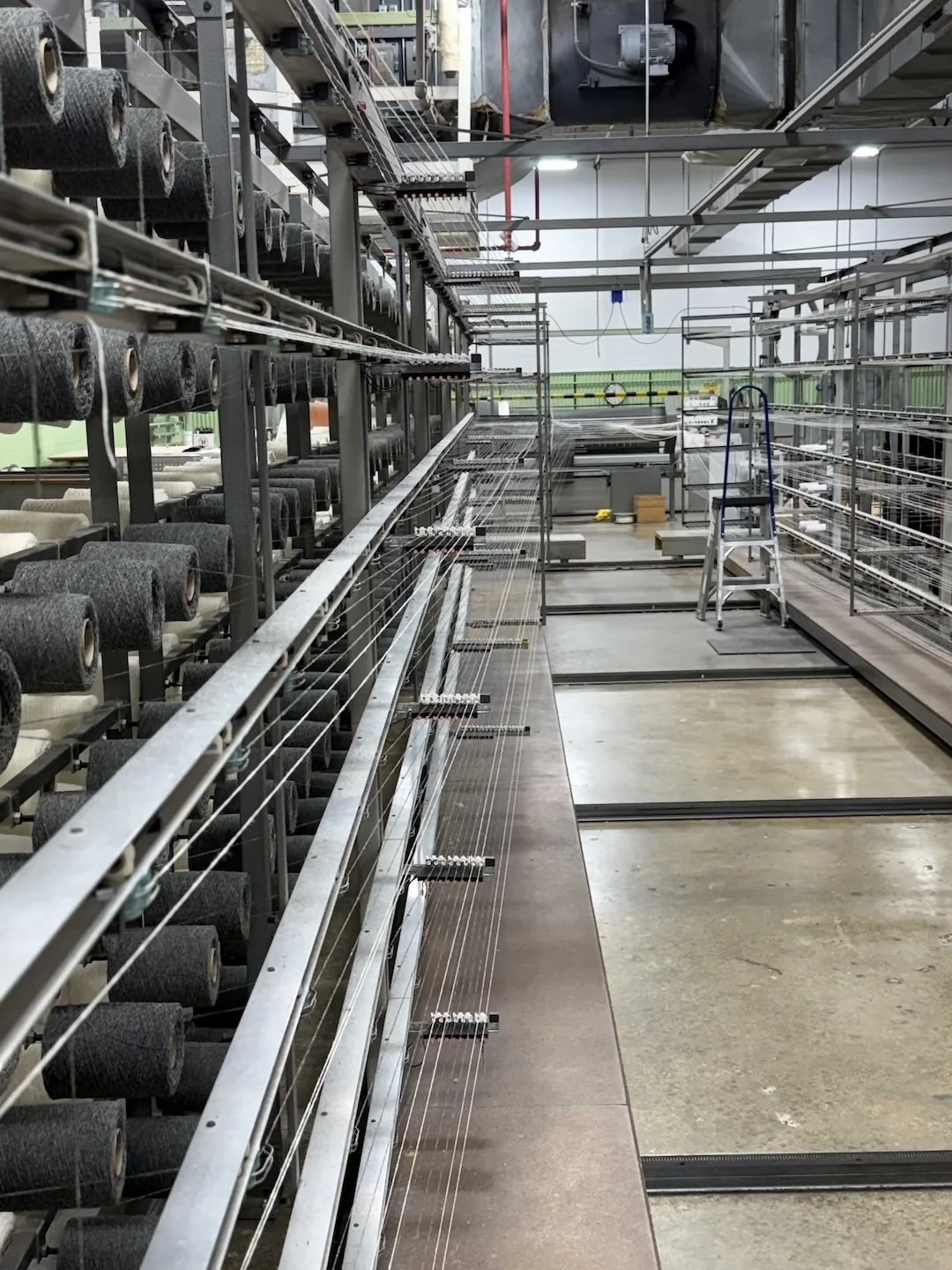
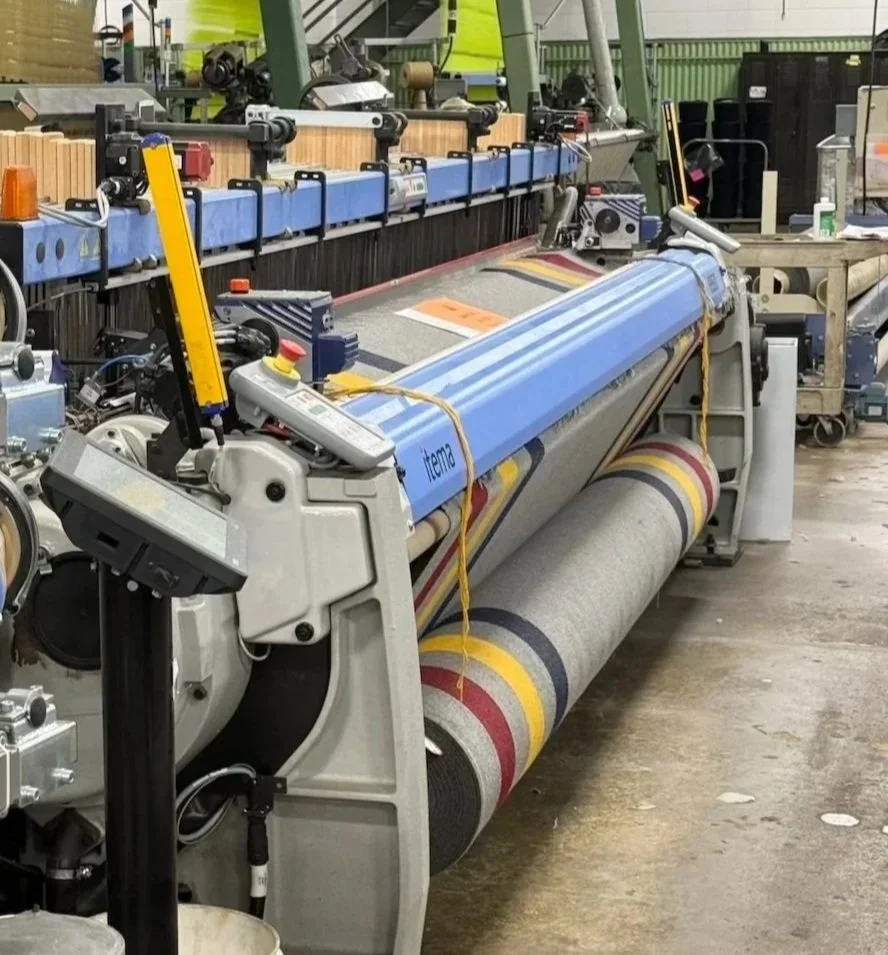
On the loom…
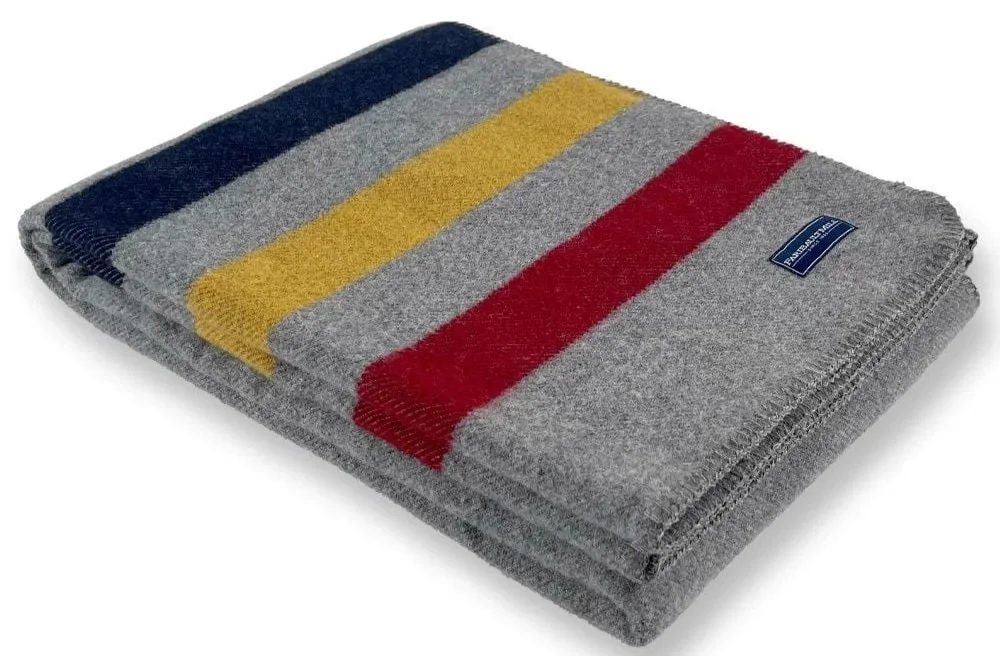
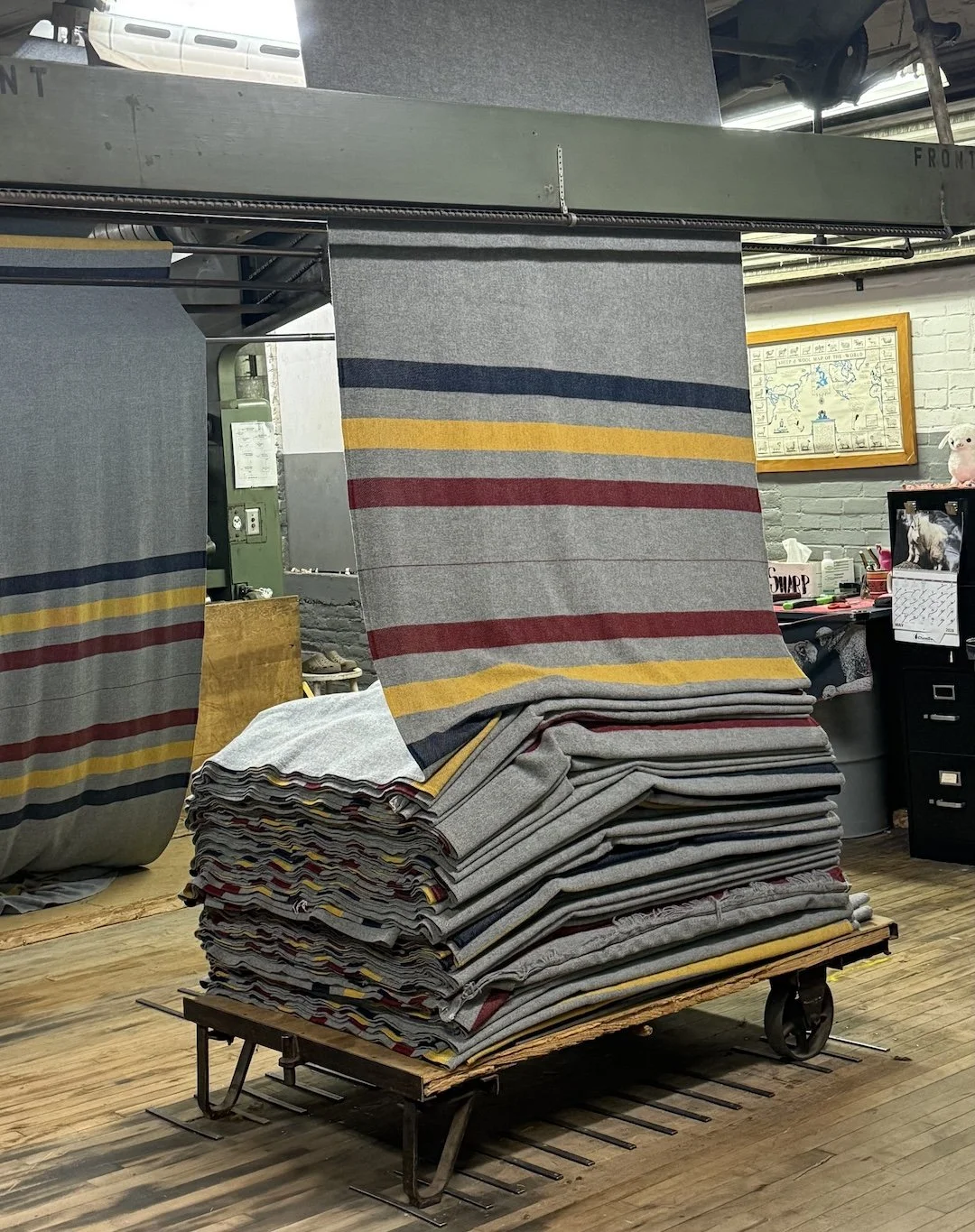
The finished product - Faribault’s “Frontier” wool throw
Several of the people that work in the Faribault mill are 5th generation craftspeople. They know these machines backwards, forwards and sideways because they were taught by parents or grandparents and have worked with them for decades. They understand not only the machinery, but how every type of raw wool transforms at every stage of the production process - from dyeing to mixing, carding, spinning, weaving, fulling, burling, finishing, and cut-and-sew. They are meticulous in their attention to detail at every one of these stages, until the finished blanket is folded and shipped. They are justifiably proud of the work they do, and of the product they make. They are not just part of a staff - they are an active part of a living tradition that extends to every heritage-quality blanket that ends up in someone’s home.
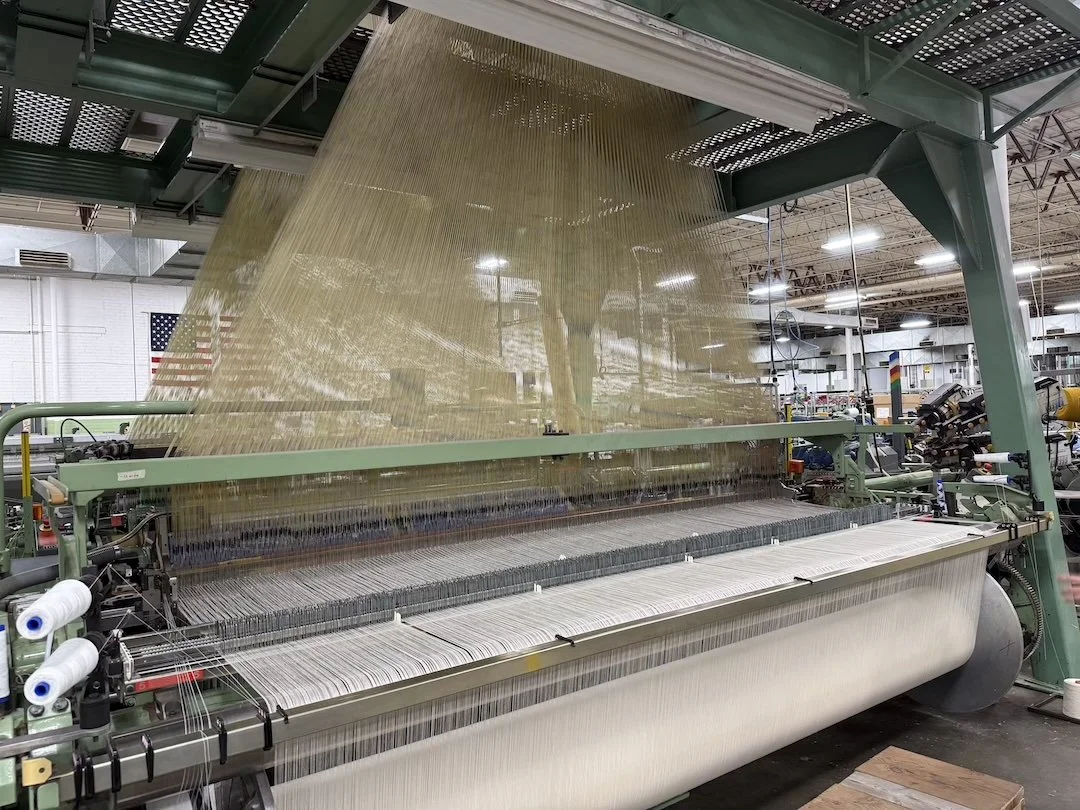
“Big Jack” - one of two jacquard looms, the complexity of which can boggle the mind…
Every bit of fiber that blows through the air is collected, spun, and made into its own “recycled” product:
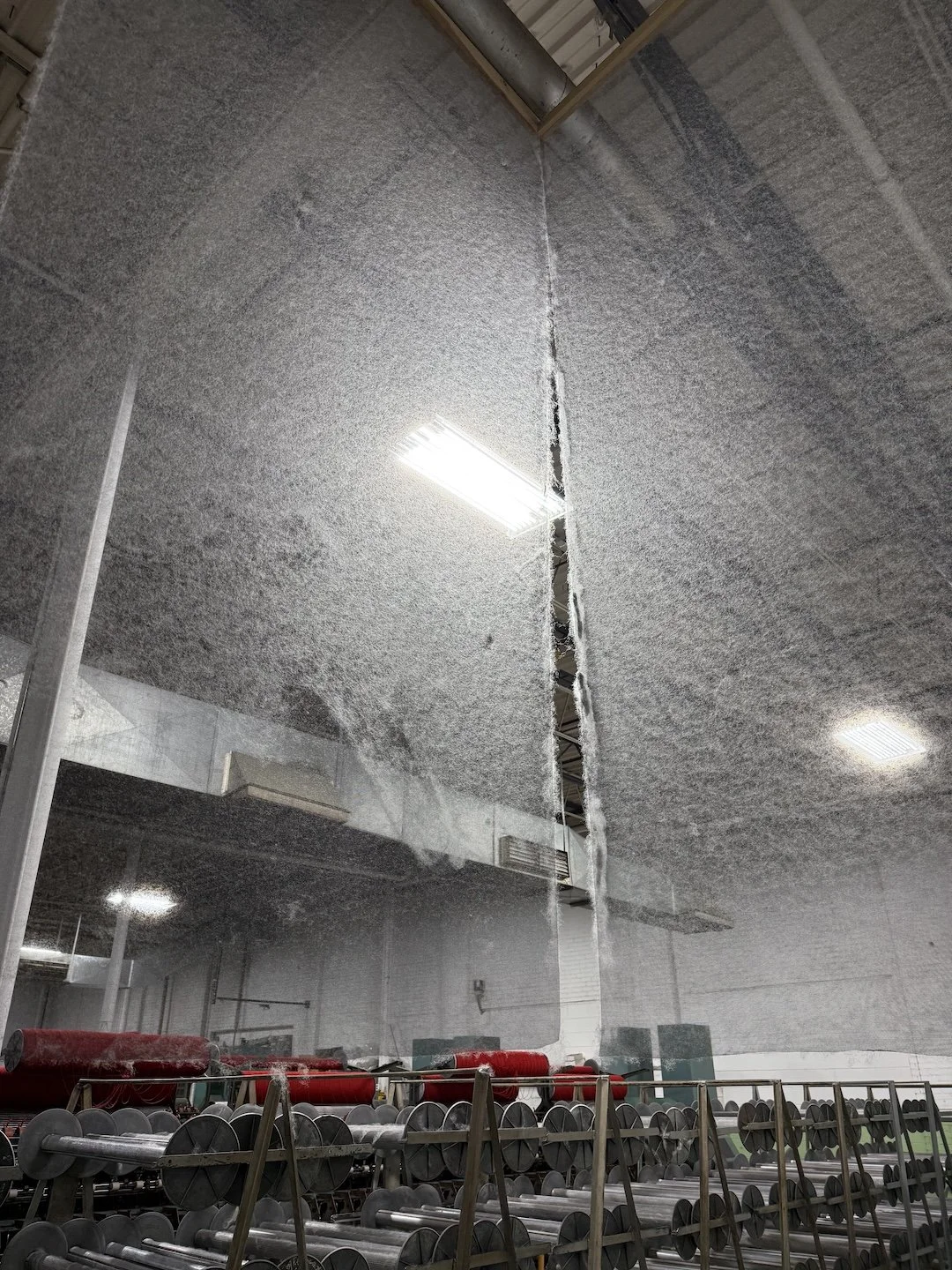
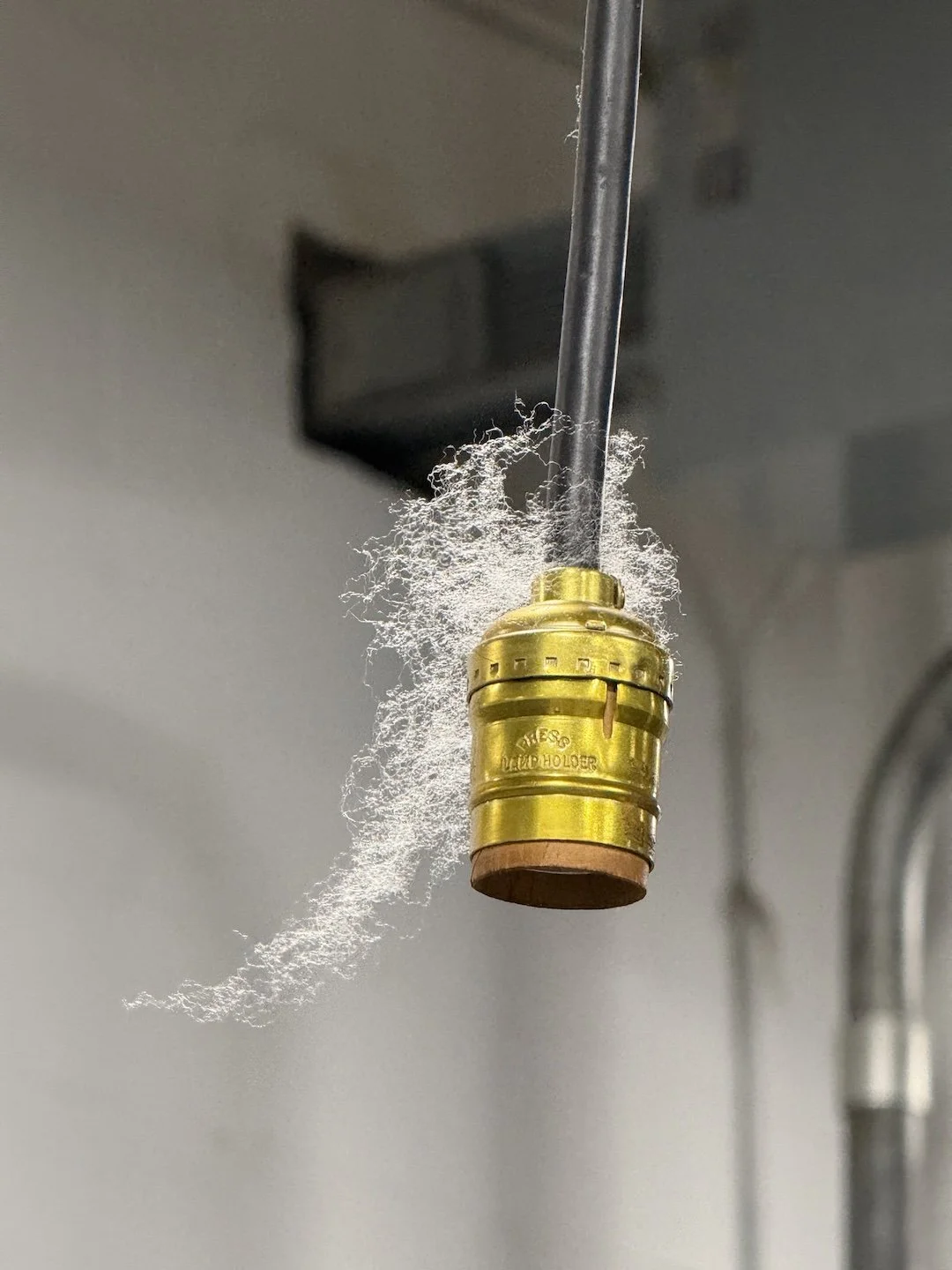
Very little of this work is done “by hand” in the technical sense. It hardly matters. These blankets are machine-made with natural materials and the utmost care, using techniques passed down through the generations and supporting a local community where the company’s storied tradition is seamlessly woven into their own.
An artisan product in every important sense of the word.
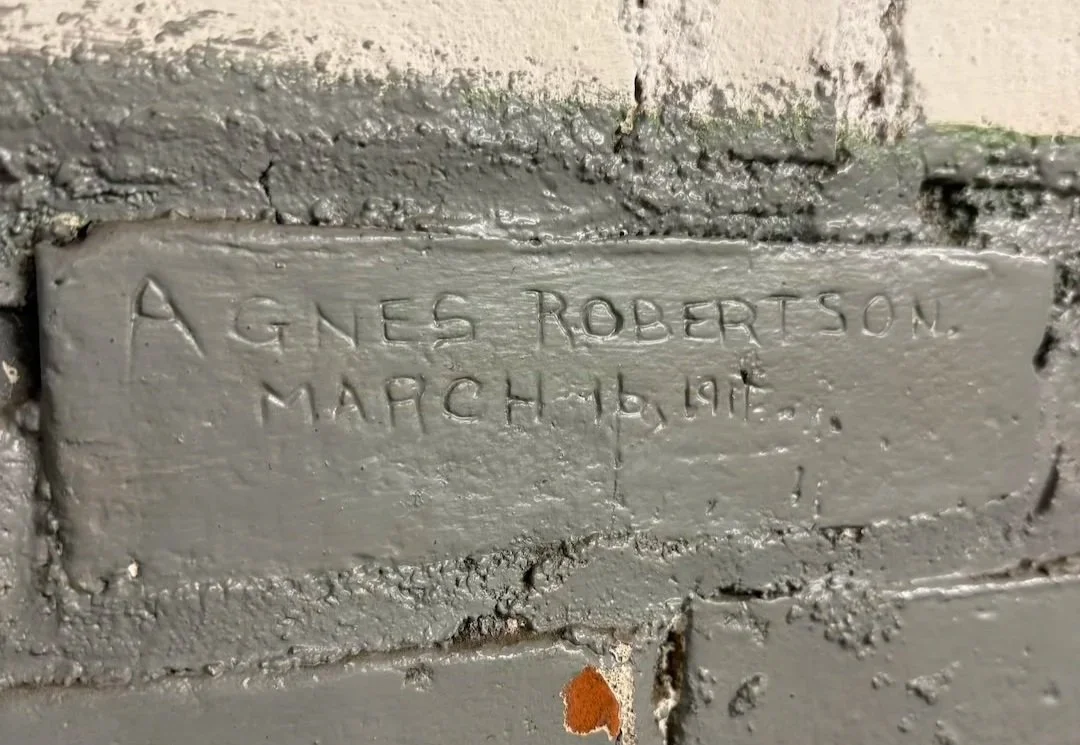
On the Faribault tour, you can see where workers in the early part of last century proudly carved their names in bricks that still hold up the factory walls. People who work there now walk by them every day. I wrote about pride in a previous post about linen weaving in Sweden. I continue to believe with every textile operation I visit that historical continuity and collective stories of people carrying on a time-honored tradition are the true indicators - and the glory - of craft. In this increasingly digital age, when many are turning towards the analog to find reassurance in the physical and the “real,” we could do a lot worse than to invest in heirloom products with this kind of history and pride behind them.
And to tell their stories.